Papua New Guinea looks to pumped hydro for hydrogen
At a community meeting, Minister Soloma said the dams would be located in the Gulf Province of PNG, in the southern region of the island nation.
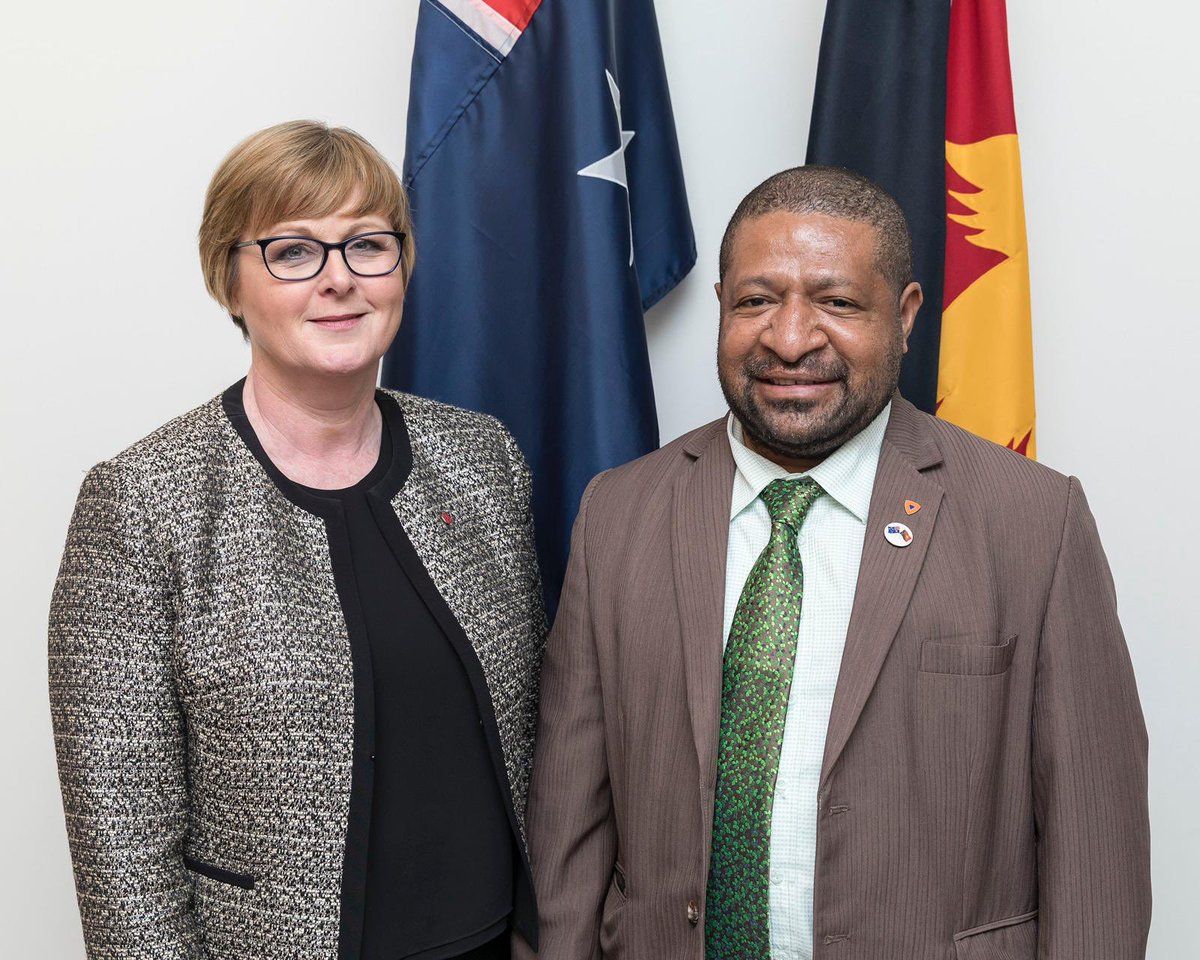
Papua New Guinea has identified the site of three pumped-hydro dams which will be used for water resources and to power electrolysers used to split the water into hydrogen and oxygen, according to PNG Defence Minister Saki Soloma.
PNG sent a special envoy to the Glasgow climate change meetings last year, where the government announced it would look to hydrogen as an alternative to natural gas and oil for fuel.
At a community meeting, Minister Soloma said the dams would be located in the Gulf Province of PNG, in the southern region of the island nation.
The region is dominated by mountains and river deltas, making it ideal to build dams for electricity generation, but also in providing fresh water for electrolysis.
Minister Soloma said the dams would serve to produce energy via pumped hydro as well as feed stock for hydrogen production.
“I was part of the special envoy to Glasgow where I had already signed an agreement for three hydro dams to be set up in the Gulf,” he said.
“The water collected at the dams will be turned into ammonia and hydrogen fuels.”
He noted that the Gulf Province was identified for pumped hydro and hydrogen because of the region hosts many significant river systems from the Highlands.
However, in the short-term, PNG’s electricity supply and economy is largely reliant on liquified natural gas production and gold mining.
A report by the World Bank in March 2022 found gross domestic product in PNG has lagged during the COVID-19 pandemic as gas demand crashed. Since then, demand has risen due to geopolitical turmoil brought about by Russia’s invasion in Ukraine.
“In 2022, PNG’s economy is navigating a fragile recovery,” the World Bank said.
Extractive sector growth is forecast to be the main driver of GDP growth in 2022, supporting a baseline growth forecast of 4 percent. High commodity prices (LNG spot prices and gold) will support the external accounts and provide (potentially) higher dividends to the state-owned companies that hold shares in joint projects in the [LNG and mining] sector.”
There is no time frame on when the dams will be built, or investment into green hydrogen production. Whether the third-world nation can ween itself off hydrocarbons remains to be seen.