West Australia paves hydrogen export path to EU
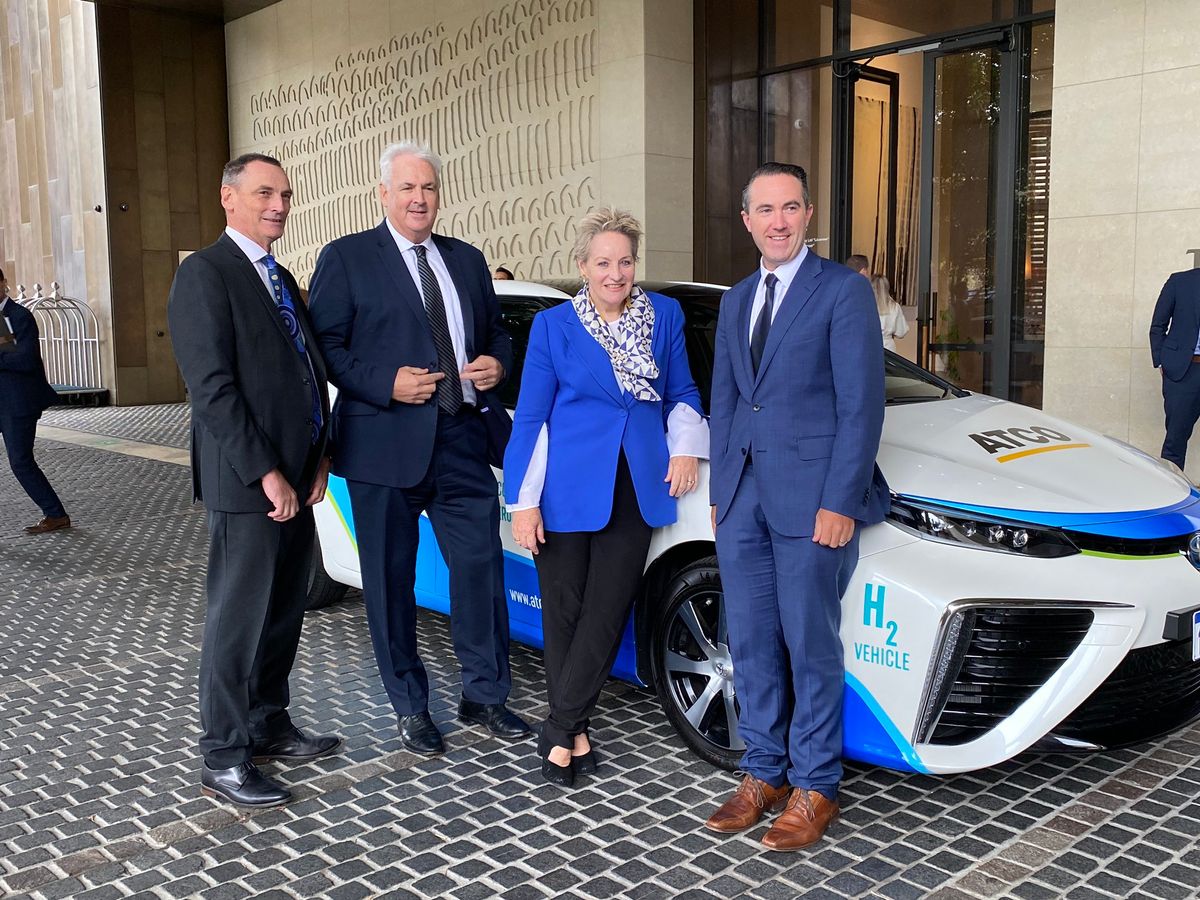
The Western Australian government has sent a delegation of representatives to Germany and the Netherlands to bolster international trade opportunities for the state’s burgeoning hydrogen industry.
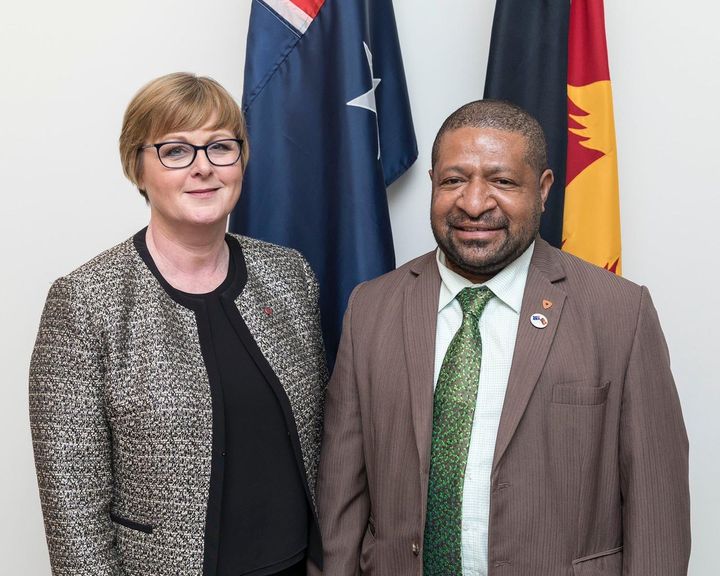
WA state Hydrogen Industry Minister Alannah MacTiernan will meet with counterparts in Europe to market green and blue hydrogen exports this week.
It follows an agreement signed between Australia and the German governments in 2020 to identify and investigate hydrogen trade opportunities and routes.
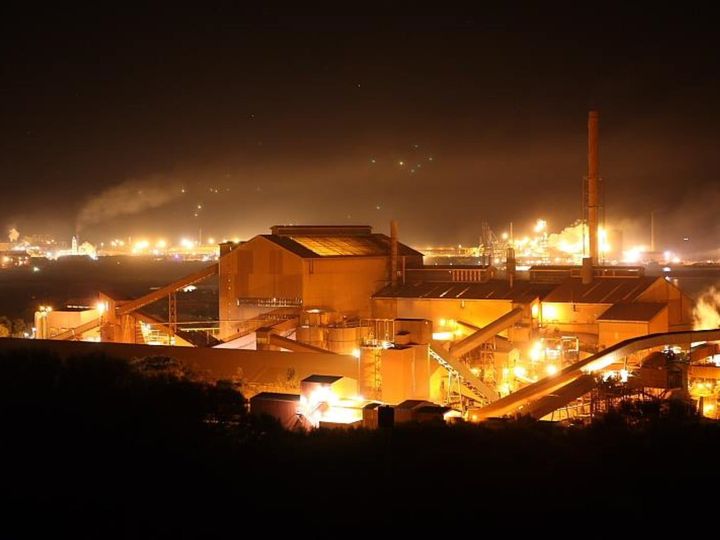
WA already has a large amount of export infrastructure in place. Australia is the largest liquefied natural gas and iron ore exporter in the world. The majority of this is produced from WA.
The state hopes to capitalise on this infrastructure and has developed a comprehensive renewable hydrogen strategy.
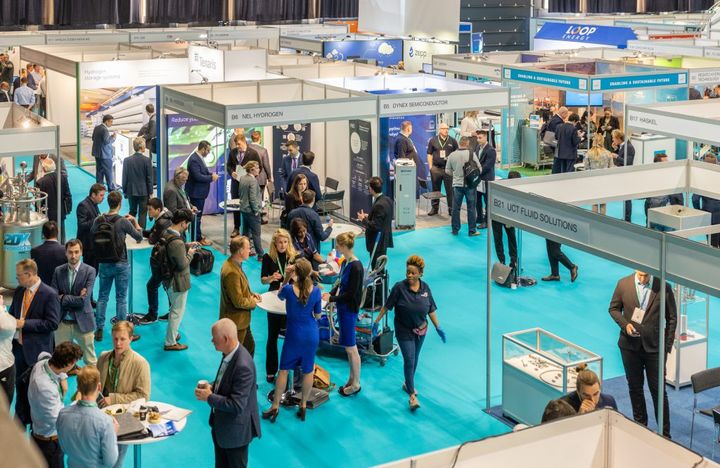
As part of the mission, Minister MacTiernan will participate in the World Hydrogen Summit 2022 in the Netherlands, focused on global hydrogen supply chains, and use the opportunity to present the WA Government's Renewable Hydrogen Industry Prospectus.
Minister MacTiernan said WA had an “extraordinary opportunity” to become a global renewable hydrogen exporter.
"International collaboration is a key component in the transition to a clean energy future,” she said.
"European markets represent a significant opportunity for attracting renewable hydrogen investments and technology into Western Australia, and this international mission aims to accelerate those opportunities."
Minister MacTiernan will also have face-to-face meetings with the Port of Rotterdam since a Memorandum of Understanding was signed between WA and Europe's largest seaport to facilitate imports.
The governments and Port will develop a detailed supply chain model to review potential bottlenecks across the export route.
Current global demand for hydrogen is estimated at more than 70 million tonnes a year and the value of Australia's low-emissions hydrogen exports could reach $2.2 billion by 2030 and $5.7 billion by 2040.